
4 Ways Dentists Can Reduce Your Stress During Treatment
Dental anxiety is a prevalent issue, affecting a significant portion of the population and making it a critical focus within dental practices. According to NexHealth, studies show that over 75% of adults suffer from dental anxiety, highlighting the urgent need for dentists to implement stress-reducing strategies. Understanding the nature of this anxiety and the particular stressors associated with dental care can empower dentists to create better patient experiences. Dentists play a pivotal role in promoting a sense of calm and security during treatments, thereby improving both patient mental health and treatment outcomes. By employing a combination of comforting environments, advanced technologies, and personalized care, dentists can significantly reduce patient stress levels and improve overall satisfaction with dental treatments.
1. Creating a Comfortable Environment
A critical aspect of alleviating dental anxiety is creating an environment that feels welcoming and reassuring. Many dentists utilize soundscapes and music to provide a soothing backdrop during treatments. Gentle, ambient music can help distract from intimidating dental noises, offering a more serene experience. Incorporating soundscapes of nature or gentle classical compositions helps to create a calming atmosphere, putting patients more at ease. As a result, patients are less likely to feel overwhelmed or anxious.
In addition to auditory stimuli, scents play a significant role in influencing mood and relaxation. Dentists have increasingly turned to aromatherapy as a means of soothing patients; essential oils like lavender and chamomile are popular choices. Aromatherapy can help reduce stress levels by promoting relaxation and decreasing the production of stress-related hormones. For patients with heightened sensitivities, the subtle infusion of pleasant scents can transform the clinical environment into one akin to a spa. This simple yet effective technique can help mitigate anxiety and enhance overall patient comfort.
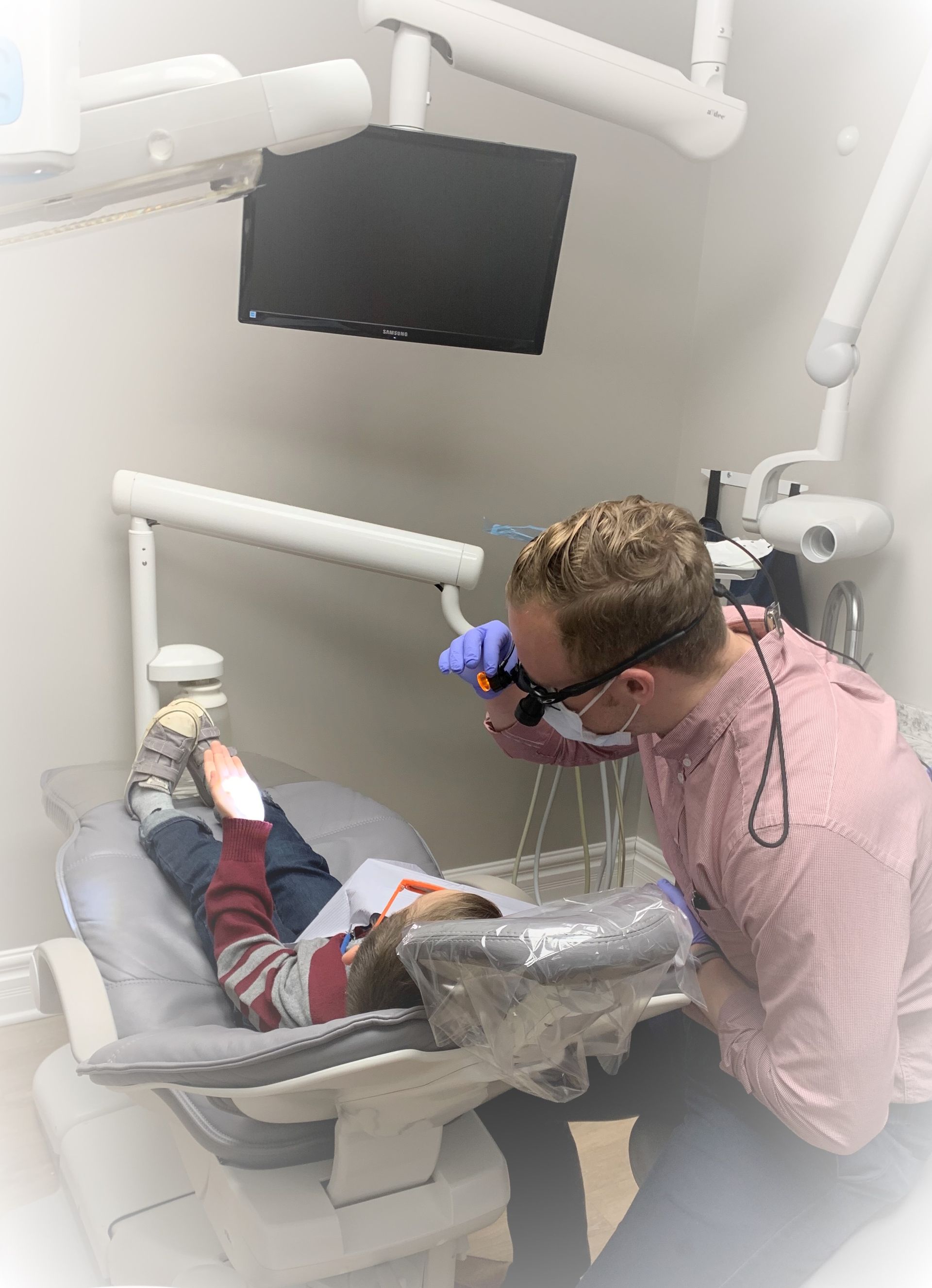
Spatial design is equally important in shaping a patient-friendly dental clinic environment. Traditional clinical settings can amplify feelings of apprehension due to their sterile and impersonal nature. Designing dental offices with soft colors and inviting furnishings helps create an ambiance of warmth and safety. Comfortable seating in waiting areas further reinforces this sense of comfort, ensuring patients feel valued and relaxed even before they reach the dentist's chair. These thoughtful design choices facilitate a welcoming atmosphere, setting the stage for a stress-free dental experience.
2. Employing Advanced Technology
Technological advancements have significantly improved the dental care experience by enhancing comfort and efficiency. Laser dentistry is a prime example of how technology can help reduce patient discomfort and anxiety. Lasers offer a less invasive alternative to traditional tools, minimizing bleeding, reducing healing time, and often eliminating the need for anesthesia. Patients frequently report less pain and anxiety when undergoing procedures with laser technology compared to conventional methods. By adopting these innovative tools, dentists provide treatments that are not only effective but also more patient-friendly.
The sound of dental drills is a common anxiety trigger for many patients, but noise-reducing equipment provides a valuable solution. Tandem with laser dentistry, these quieter technologies help lessen the jarring dental sounds associated with traditional handpieces. By significantly reducing noise levels, patients can remain calm and focused on positive aspects of their visit. This reduction in sensory stress allows individuals to experience dental care in a more relaxed state, ultimately leading to better cooperation during procedures. By addressing the auditory aspect of dental treatment, dentists can alleviate one of the most pervasive triggers of dental anxiety.
Digital imaging is another technological advancement that has transformed the dental field, benefiting both patients and practitioners. Faster and more precise imaging reduces the amount of time patients spend in the chair, thereby minimizing discomfort associated with long procedures. Digital systems provide exceptionally detailed images, allowing for more accurate diagnoses and treatment plans. This precision can lead to improved outcomes and increased patient trust in their dentist's recommendations. By embracing digital tools, dental practices can offer a streamlined process from consultation through to treatment, making the overall experience much more efficient and less stressful for patients.
3. Building a Trusting Relationship
The cornerstone of reducing patient stress is establishing a strong, trusting relationship between dentist and patient. Open communication is fundamental to this relationship, as it fosters an environment where patients feel safe to express concerns. Dentists who encourage questions and actively listen to their patients help reduce fear by creating a dialogue based on understanding and empathy. This transparent exchange reassures patients that their needs and preferences are the primary focus. The trust built through open communication empowers patients to approach upcoming procedures with more confidence and reduced anxiety.
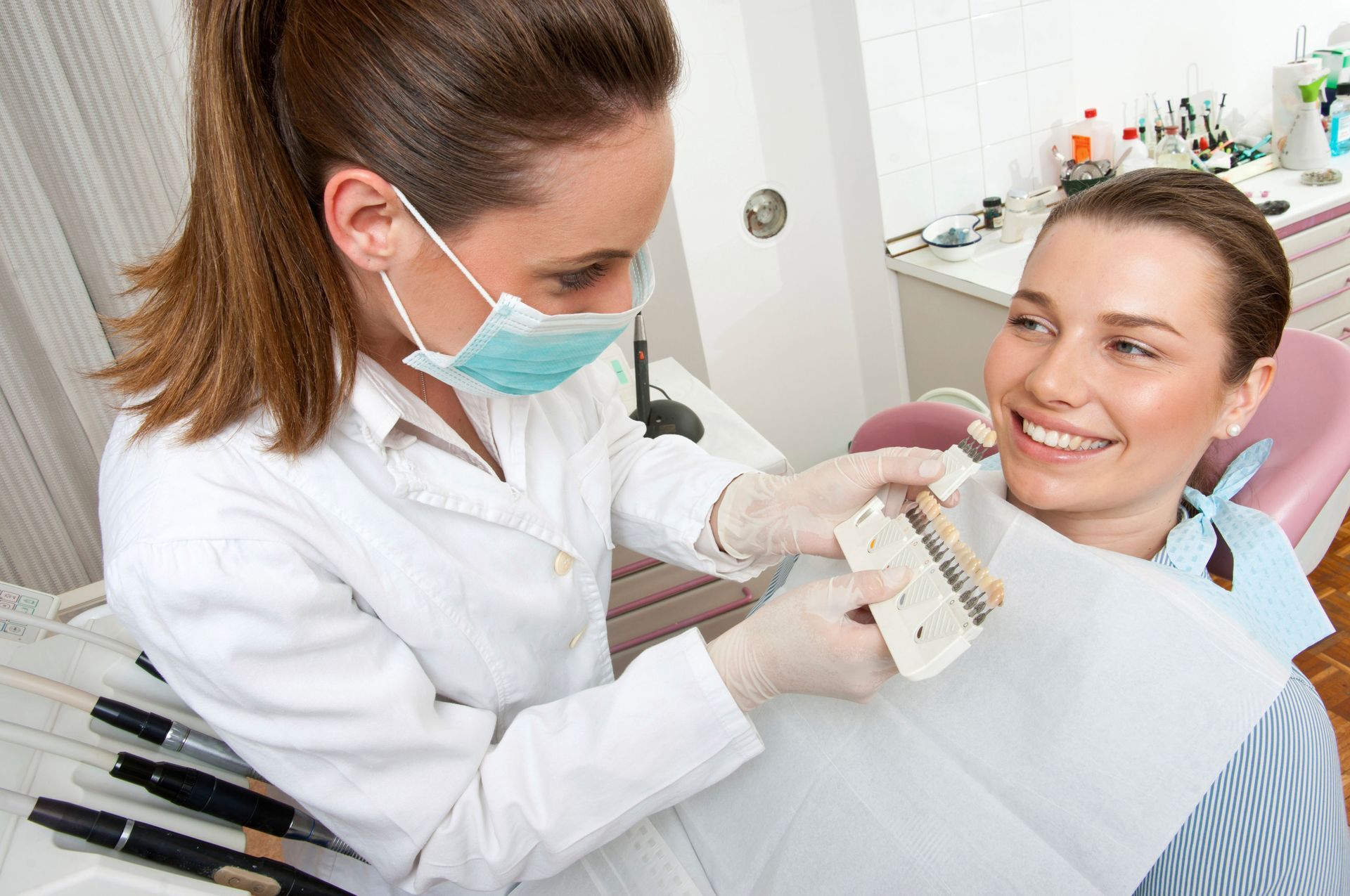
Personalizing care further enhances the dentist-patient relationship, demonstrating the dentist's commitment to meeting individual needs. Recognizing that no two patients are alike, many practices tailor treatment plans based on an individual's specific fears, preferences, and health requirements. This customization acknowledges the unique circumstances each patient brings to their appointments and adapts procedures accordingly. Whether through adjusted appointment times, personalized sedation options, or the use of specific technologies, personalized care underscores a dentist's dedication to easing anxiety. Such attention to personal detail plays a critical role in creating a therapeutic environment where patients feel valued and cared for.
Consistency in care providers builds a familiar and comfortable relationship, further reducing patient stress. Dental practices that strive to maintain continuity in the professional team working with patients allow for a more personalized experience over time. Seeing the same dentist regularly helps patients form bonds and reduce any feelings of unfamiliarity or apprehension. This relationship fosters a sense of security and understanding that emphasizes the patient's wellbeing. A consistent provider not only enhances the treatment experience but also builds a foundation of trust that helps mitigate future dental anxiety.
4. Providing Psychological Support
Psychological support is a pivotal component of comprehensive care that addresses the emotional needs of patients experiencing anxiety. Dentists trained in relaxation techniques can guide their patients in adopting methods such as deep breathing or progressive muscle relaxation. These techniques are proven to lower heart rate and reduce anxiety, helping patients manage their stress during appointments. Encouraging patients to practice these techniques can result in a more controlled and peaceful reaction to dental care. This proactive approach helps demystify dental procedures and alleviates anxious anticipation.
Cognitive Behavioral Therapy (CBT) strategies are another psychological tool that can be employed to mitigate dental anxiety. Dentists can work collaboratively with mental health professionals to integrate CBT methods into dental practices. This approach involves identifying and challenging negative thought patterns associated with dental treatment, replacing them with more positive perspectives. Through CBT, patients learn to alter their cognitive responses, reducing the severity of their anxiety. Implementing such strategies within dental care underscores a holistic approach to treating not just the physical but emotional aspects of patient health.
Pre-treatment counseling sessions offer a valuable opportunity for patients to discuss their fears and explore coping mechanisms before undergoing procedures. These sessions provide a platform to address specific concerns, set expectations, and develop individualized stress management plans. Discussions during pre-treatment counseling may include visualization techniques, which involve guiding patients through positive imagery to elicit relaxation during treatment. The dedication to patient well-being inherent in offering counseling denotes a comprehensive care philosophy that seeks to address the entirety of the patient experience, promoting a sense of preparedness and calm.
Reflecting on the numerous strategies available highlights the multifaceted approach required to effectively mitigate patient stress in dental environments. Dentists are uniquely positioned to implement these strategies, from creating a welcoming environment to employing advanced technology and fostering trusting patient relationships. By prioritizing patient comfort and continuously innovating their practices, dental professionals are making significant strides in alleviating the prevalent issue of dental anxiety. This patient-centered care philosophy ensures not only positive treatment outcomes but also elevates the overall standard of dental care. As the understanding of dental anxiety deepens, continued dedication to addressing it will be crucial in shaping the future landscape of dental health practices. If you're looking for reliable dentists, contact Your Smile Studio today.






Share On: